Park overview:
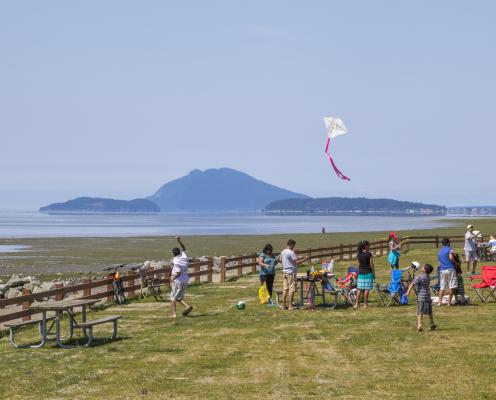
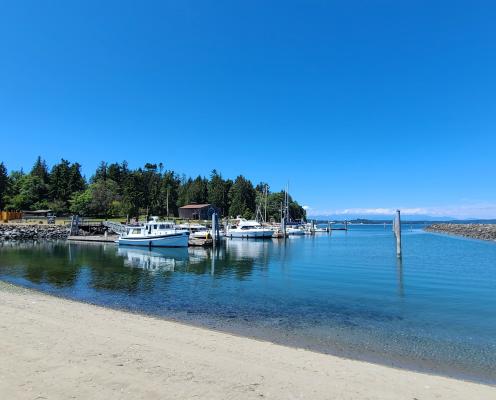
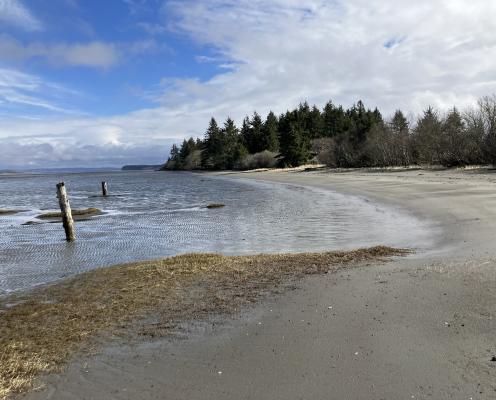
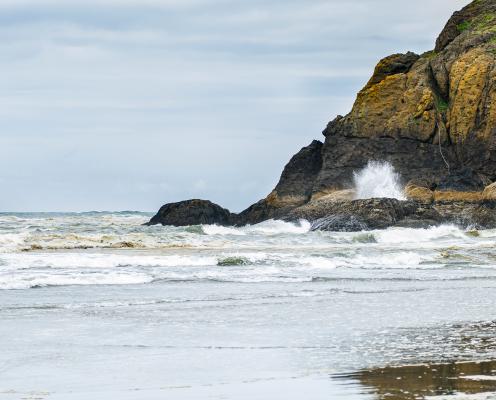
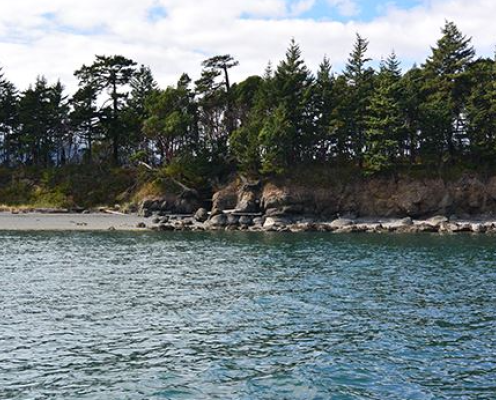
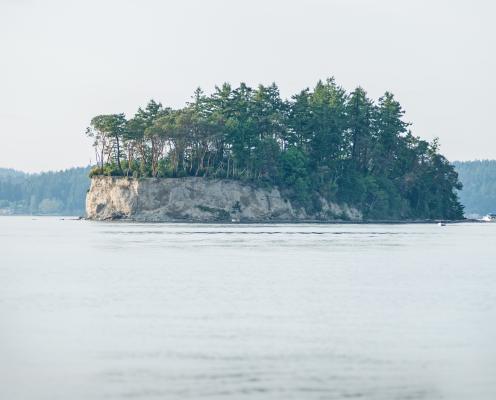
Damon Point, a 61-acre day-use park, is the southeastern tip of the Ocean Shores Peninsula. The park consists of a one-mile-long, half-mile-wide stretch of land jutting out into the sea. Damon Point is a textbook example of accreted land, and is one of the few remaining nesting sites of the snowy plover.
Damon Point State Park is currently open to the public, but parking within the park is unavailable. There are no restroom facilities.
Campsite Information:
The park has no camping.
Park hours/updates:
Damon Point State Park is currently open to the public, but parking within the park is unavailable. There are no restroom facilities.
The park is open year round for day use only.
Summer: 8 a.m. to 5 p.m.
Winter: 8 a.m. to 5 p.m.
Park Winter Schedule
| Campground Closes |
| Campground Reopens |
| Day-Use Closes |
| Day-Use Reopens |
| Watercraft Launch Closes |
| Watercraft Launch Reopens | |
| None |
| None |
| Open |
| Open |
| None |
| None |
|
Schedule Note:
No restrooms or parking are available.
Winter Schedule for all Washington State Parks

Driving Directions
Located in the town of Ocean Shores, Wash., on the Pacific Coast in Grays Harbor County.
From Hoquiam:
Take SR 109 and SR 115 to Point Brown Ave. in the town of Ocean Shores. Proceed south on Point Brown Ave. through town, approximately 4.5 miles. Just past the marina, turn left into park entrance.
Park Maps
List of all downloadable Washington State Park
maps.
Park Features

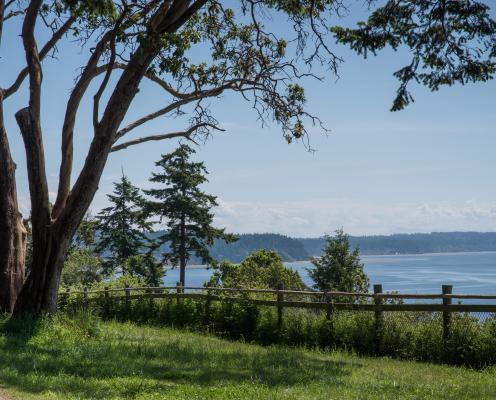
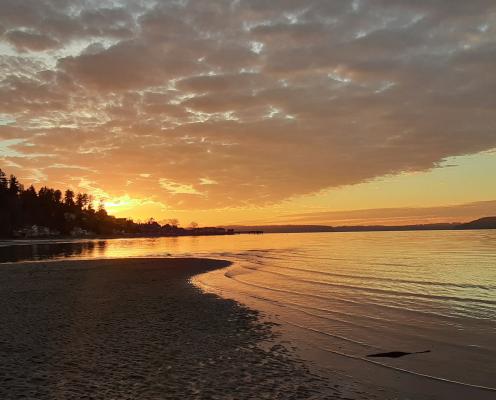
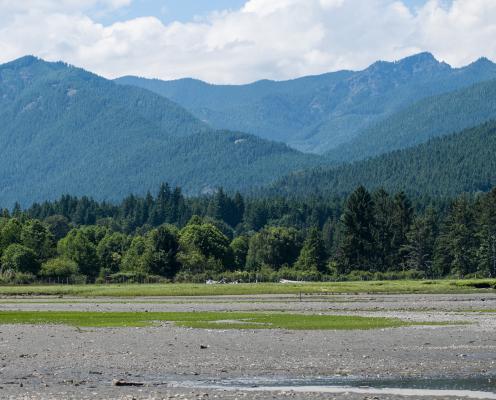
This park features a one-mile walkable strip of land to the end of Damon Point, the southeastern tip of the Ocean Shores Peninsula. It offers spectacular views of Grays Harbor, the Olympic Mountains, and Mount Rainier. The point contains one of the few remaining nesting sites of the snowy plover, and is a textbook example of accreted land and natural plant selection. This is a popular site for bird watching and agate rock collecting.
History
Beginning in 1925, the S.S. Catala plied the Canadian coastal waters carrying miners, loggers and adventurers. The Catala was retired in 1958 and was used as a floating hotel at the 1962 World’s Fair in Seattle and also at Ocean Shores in 1963. A winter storm grounded the ship at Damon Point in 1965, and sand accreted around the rusting relic, eventually burying it.
Winter storms in February 2006 revealed part of the wreck, and oil was found in the hull in April 2006. The Department of Ecology is coordinating the effort with response contractors and state, federal and local agencies to safely remove the oil. Visitors to Damon Point State Park are asked to keep their distance from the wreck for their own safety and to maintain the stability of the site. For updates, visit the
Department of Ecology’s Web site.
Interpretive opportunities
The Ocean Shores Interpretive Center, in the town of Ocean Shores, displays some detailed history and photos of the Point.
Services/Supplies
| | Available in the area |
| | Auto repair Airport Camping Diesel Fishing/hunting Gasoline Gifts Golf Groceries Hardware Horse rental Overnight Accommodations Pay phone Postal service Propane Recreational equipment White gas Wood Swimming
|
Activities
| Trails | Water Activities | Other |
| Fishing (saltwater) Clamming Crabbing
| Beachcombing Bird Watching Wildlife Viewing
|
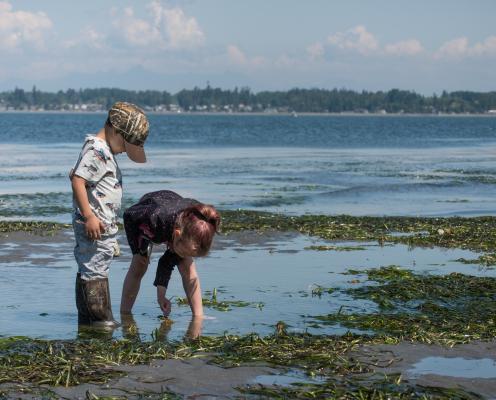
Rock collecting is also a popular activity, as is the one-mile hike to the tip of the point.
There is room for six vehicles to park just outside the park entrance. Past this point, vehicles may not proceed (due to road washout). Visitors, however, may enter the gate and walk the road to the end of the point. |
Events
Full list of
events at Washington State Parks
Picnic and Day-use Facilities
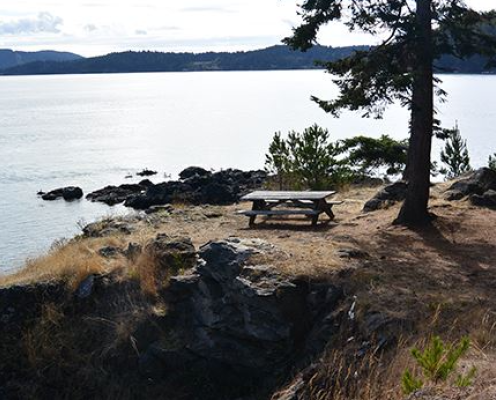
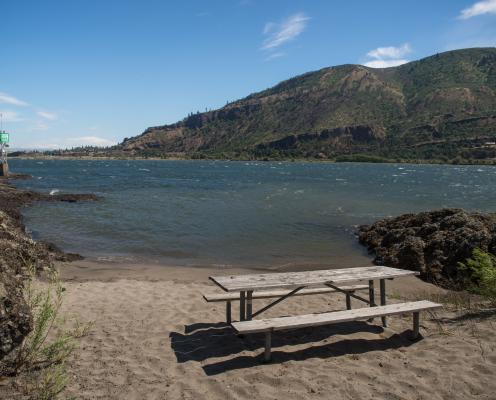
The park has five unsheltered picnic tables with no dump station availability. Visitors are expected to pack their garbage out when they leave. Picnic sites are first-come, first-served.
Wildlife
| Mammals | Birds | Fish & Sea Life |
Rabbits
| Crows or Ravens Ducks Eagles Geese Gulls Hawks Herons Ospreys Owls Wrens
| Sea Birds Seals Whales Perch Salmon
|
Environmental Features
| Physical Features | | Plant Life | |
| The point is a textbook example of accreted land. Accretion, the opposite of erosion, occurs when sand accumulates over the years, forming land where there was none. | | Spruce Foxglove Lupines Moss or Lichens Seaweed
|
|
Park photo gallery